Bellis Perennis Uses, Benefits, Dosage & Side Effects


What is Bellis Perennis?
Bellis Perennis is a homeopathic remedy derived from the common daisy plant, often known as the English daisy. This remedy is widely used in homeopathy for its therapeutic properties, particularly in cases involving injuries, trauma, and certain types of pain.
Bellis Perennis is primarily recognized in homeopathy as a remedy for physical trauma and bruising. It is often compared to Arnica Montana, another well-known homeopathic remedy, but is considered particularly effective for deep tissue trauma, injuries to the muscles, and bruising that involves the deeper layers of tissue. It is also used for conditions that arise after surgical procedures, particularly abdominal surgeries or injuries, and is believed to aid in the healing process.

Preparation of Bellis Perennis
Bellis Perennis is prepared using the fresh flowering plant. The preparation process follows the standard homeopathic method of potentization, which involves:
- Collection: Fresh Bellis Perennis plants, particularly the leaves, stems, and flowers, are collected during the blooming season.
- Maceration: The fresh plant material is macerated in alcohol to create a mother tincture. This process involves soaking the plant parts in alcohol to extract the active constituents.
- Potentization: The mother tincture is then diluted and succussed (vigorously shaken) in a specific ratio to produce different potencies, such as 6C, 30C, 200C, etc. This process is believed to enhance the medicinal properties of the remedy while minimizing any toxic effects of the plant material.
Physical Constitution
Bellis Perennis is typically indicated for individuals who experience:
- Trauma and Bruising: Especially effective for deep tissue injuries and bruises, Bellis Perennis is often used when there is an injury to the abdominal region, sprains, or strains.
- Muscle and Joint Pain: It can be used to alleviate pain in muscles and joints, particularly when the pain is worse with cold applications and better with warmth.
- Surgical Aftercare: It is often recommended after surgeries to promote healing and reduce soreness and bruising, especially for abdominal surgeries or any deep tissue procedures.
- Breast Pain: It is also used for conditions involving breast pain, especially when the pain is linked to injury or trauma, or for conditions such as mastitis.
Mental and Emotional Constitution
The mental and emotional constitution for Bellis Perennis patients often includes:
- Overworked Individuals: It is often suited for individuals who are physically and mentally exhausted due to overwork. There may be a sense of weariness and fatigue that permeates their daily life.
- Sensation of Feeling Bruised: Just as the body feels bruised, there is a mental state where the person may feel emotionally bruised or sensitive to criticism or emotional pain.
- Restlessness: Patients may experience restlessness, particularly at night, and might have trouble finding a comfortable position.
- Desire for Solitude: A Bellis Perennis patient may feel a desire to be left alone, particularly when in pain or after an injury.
Key Symptoms Indicating Bellis Perennis
- Deep muscle soreness or pain following injury.
- Bruising that is particularly tender to touch and feels worse with cold applications.
- Pain or soreness in the abdominal region, especially following surgery.
- Conditions worsened by cold and damp environments, and improved by warmth and rest.
Bellis Perennis Uses-
Bellis Perennis is a commonly used homeopathic remedy prepared from the common daisy plant. The “30” potency is a medium-level dilution that is effective for both acute and chronic conditions. It is particularly known for its ability to heal injuries, bruises, and muscle pain, especially when deeper tissues are affected. Here are some key uses and benefits of Bellis Perennis 30.
1. Deep Tissue Injuries
Bellis Perennis is highly effective for treating deep tissue injuries:
- Muscle Strains and Sprains: Helps alleviate pain and promote faster healing of strained or sprained muscles, especially when there is deep bruising.
- Bruises and Contusions: Particularly beneficial for bruises that involve deep tissues and do not heal easily with Arnica Montana.
- Post-Injury Recovery: Aids in recovery from severe physical injuries, such as those involving blunt trauma to the body or muscles.
2. Post-Surgical Recovery
This remedy is frequently used to aid in the recovery process after surgery:
- Abdominal Surgeries: Bellis Perennis is commonly prescribed after abdominal surgeries like cesarean sections or hysterectomies to reduce bruising, pain, and swelling.
- General Surgical Recovery: It helps reduce post-surgical pain and inflammation, speeding up the healing process.
3. Musculoskeletal Pain
Bellis Perennis is highly effective in relieving musculoskeletal pain:
- Rheumatic Pain: It is particularly helpful for deep-seated rheumatic pain that worsens with movement or cold conditions.
- Joint Stiffness: Alleviates stiffness and pain in the joints, particularly when the pain is associated with trauma or injury.
- Chronic Muscle Soreness: Helps relieve soreness and fatigue in the muscles after prolonged exertion or overuse.
4. Circulatory Conditions
This remedy is beneficial for improving circulatory health:
- Varicose Veins: Helps reduce the discomfort and heaviness associated with varicose veins by improving circulation and reducing inflammation.
- Hemorrhoids: Provides relief from the pain, swelling, and discomfort associated with hemorrhoids, particularly when there is a sensation of bruising or soreness.
5. Breast Conditions
Bellis Perennis is particularly useful for treating breast pain and related conditions:
- Mastitis: It helps reduce pain and swelling in cases of mastitis, particularly when the condition is chronic or accompanied by deep-seated soreness.
- Breast Pain After Trauma: Alleviates pain and tenderness in the breasts following an injury or surgery.
6. Skin Conditions
Bellis Perennis can be used to treat certain skin conditions:
- Abscesses and Boils: It helps manage abscesses and boils, especially when they are painful and inflamed.
- Wound Healing: Speeds up the healing of minor cuts, abrasions, and other skin injuries, reducing pain and inflammation.
7. Support for Lymphatic Health
Bellis Perennis is useful for maintaining lymphatic health:
- Lymphatic Stasis: Helps in cases of poor lymphatic drainage or sluggish lymphatic function, reducing symptoms like swelling and heaviness in the limbs.
8. Alleviation of Abdominal Pain
This remedy is beneficial for abdominal pain:
- Colicky Pain: Bellis Perennis helps alleviate colicky abdominal pain, especially when it feels deep-seated and sore.
- Post-Surgery Discomfort: It is useful for reducing discomfort and soreness after abdominal surgeries, particularly when there is bruising or inflammation.
9. Pain from Trauma and Shock
Bellis Perennis helps manage pain and shock following trauma:
- Physical Trauma: It is often used for pain and soreness following physical trauma, such as injuries from falls, accidents, or blows to the body.
- Shock Recovery: Helps in alleviating the physical effects of shock after a traumatic event, particularly when there is accompanying soreness or bruising.
10. Relief from Varicose Veins and Hemorrhoids
Bellis Perennis is beneficial in managing symptoms associated with poor circulation:
🌿 Get Expert Homeopathic Care
Consult our experienced homeopathic doctors for personalised treatment
- Varicose Veins: The mother tincture can be used to alleviate pain and discomfort associated with varicose veins. It helps reduce the feeling of heaviness and soreness in the legs.
- Hemorrhoids: Helps manage symptoms of hemorrhoids, especially when they are painful, swollen, and there is a feeling of bruising and tenderness.
11. Anti-Inflammatory Properties
- General Inflammation: Can be used both internally and externally to reduce inflammation throughout the body, making it helpful in a variety of conditions where inflammation is a primary concern.
- Topical Inflammation Relief: When applied topically, it helps reduce localized inflammation and pain, particularly following an injury or surgical procedure.
12. Use in Chronic Fatigue and Exhaustion
- Physical Exhaustion: Helps alleviate symptoms of physical exhaustion, especially when there is a feeling of being bruised or sore all over.
- Mental Fatigue: May provide relief for individuals experiencing mental fatigue, particularly when the exhaustion is linked to physical overexertion or trauma.
Bellis Perennis Dosage-
Bellis Perennis is a versatile homeopathic remedy used in various potencies depending on the condition being treated and the individual’s response. Proper dosage is crucial to ensure its effectiveness and to avoid any potential side effects. Below are the dosage guidelines for different potencies of Bellis Perennis.
Bellis Perennis 30 Dosage
Bellis Perennis 30 is a medium potency often used for both acute and chronic conditions that are not severe but require some level of intervention.
- Recommended Dosage: Typically, 2-3 pellets of Bellis Perennis 30 are taken under the tongue 2-3 times a day.
- Duration: This dosage is generally continued until there is noticeable improvement in symptoms. In acute conditions, it may be taken every 2-3 hours initially and then reduced to 2-3 times a day as symptoms improve.
- Conditions Treated: Ideal for treating muscle strains, minor injuries, bruising, and conditions where there is deep-seated pain and soreness. It is also beneficial for managing symptoms after minor surgeries and for general pain relief.
Bellis Perennis 200 Dosage
Bellis Perennis 200 is a higher potency used for more deep-seated or chronic conditions that require a stronger intervention.
- Recommended Dosage: Generally, 2-3 pellets of Bellis Perennis 200 are taken once or twice a day.
- Duration: This potency is usually taken for a shorter duration due to its higher strength. The dosage can be reduced to once a day or even less frequently as improvement is observed. It is often used for a few days to a week, depending on the severity of the condition.
- Conditions Treated: Best suited for deep tissue injuries, chronic musculoskeletal pain, post-surgical recovery, severe bruising, and conditions like varicose veins or chronic breast pain.
Bellis Perennis Q (Mother Tincture) Dosage
Bellis Perennis Q, or the mother tincture, is the most concentrated form of the remedy and is often used for more immediate, acute situations or for external applications.
- Internal Use Dosage: For internal use, 10-15 drops of the tincture are typically diluted in a small amount of water and taken 2-3 times a day.
- External Use Dosage: For topical applications, a few drops of the tincture can be applied directly to the affected area or diluted with water for compresses or rinses.
- Duration: The duration of use depends on the condition being treated. For acute conditions, the tincture can be used frequently (every few hours), while for chronic conditions, it might be used 2-3 times daily until symptoms improve.
- Conditions Treated: Useful for severe injuries, deep bruising, muscular pain, abscesses, boils, and as a post-operative care agent. It is particularly effective when a strong, immediate response is required.
General Guidelines
- Consultation with a Practitioner: It is always recommended to consult a qualified homeopathic practitioner to determine the appropriate potency and dosage based on individual needs and specific conditions.
- Dosage Adjustments: Dosages can be adjusted based on the individual’s response to the remedy. If symptoms improve, the frequency of doses can be reduced. If there is no improvement or symptoms worsen, it is advisable to seek further guidance from a healthcare professional.
- Avoid Self-Medication: While Bellis Perennis is generally safe, improper use or overuse can lead to unwanted side effects. Always follow the recommended dosage and seek professional advice for any changes.
Bellis Perennis Side Effects-
like all homeopathic remedies, there are potential side effects, especially if used improperly or in very high potencies without professional guidance. It’s essential to be aware of these potential side effects to ensure safe use.
1. Aggravation of Symptoms
One of the most common side effects in homeopathy is the initial aggravation of symptoms. This means that symptoms may temporarily worsen before improving, especially when the remedy closely matches the individual’s condition.
- Mild to Moderate Aggravation: Users may experience a mild increase in their symptoms, such as increased soreness or discomfort in the treated area. This is usually temporary and subsides as the remedy begins to take effect.
- Severe Aggravation: In rare cases, symptoms may become more pronounced, indicating that the dosage may need to be adjusted or that the remedy is not well-suited for the individual.
2. Allergic Reactions
Although rare, some individuals may have an allergic reaction to Bellis Perennis, particularly those with allergies to daisies or related plants (such as chrysanthemums or ragweed).
- Symptoms of Allergy: Signs of an allergic reaction can include itching, rash, swelling, redness, or difficulty breathing. If any of these symptoms occur, it is crucial to stop using the remedy immediately and seek medical attention.
3. Gastrointestinal Discomfort
In some cases, Bellis Perennis may cause gastrointestinal discomfort, especially if taken in larger quantities or in undiluted form (like the mother tincture).
- Common Symptoms: Nausea, vomiting, or an upset stomach may occur if the remedy is not diluted properly or if too many drops of the mother tincture are ingested.
- Prevention: To avoid gastrointestinal issues, it is recommended to follow the correct dosage guidelines and dilute the mother tincture as instructed.
4. Skin Irritation (Topical Use)
When Bellis Perennis is used topically, such as in a compress or directly applied tincture, there is a potential for skin irritation.
- Irritation Symptoms: Redness, itching, or a burning sensation on the skin where the tincture was applied may occur.
- Preventive Measures: It is advisable to do a patch test before applying the remedy to a larger skin area to check for any adverse reactions.
5. Overuse or High Potency Effects
Using Bellis Perennis in very high potencies (such as 200C or higher) or overusing the remedy without professional guidance can lead to undesirable effects.
- Potential Side Effects: Overuse can lead to headaches, dizziness, or increased agitation, particularly in sensitive individuals.
- Guidance Needed: High potencies should be used under the guidance of a qualified homeopathic practitioner to avoid these potential side effects.
6. Interaction with Other Medications
Bellis Perennis may interact with other medications, although this is rare. It’s essential to consult with a healthcare provider if you are on other medications or have underlying health conditions.
- Potential Interactions: There could be an interaction with medications for blood clotting, pain relief, or anti-inflammatory drugs.
- Precaution: Always inform your healthcare provider or homeopath about any other medications you are taking to avoid potential interactions.
Bellis Perennis Scientific Name
The scientific name for the common daisy is Bellis perennis. This plant belongs to the Asteraceae family, which includes other well-known plants like chrysanthemums, sunflowers, and ragweed. The name “Bellis perennis” reflects the perennial nature of the plant and its long-lasting blooming period.
Bellis Perennis Medicinal Uses
Bellis Perennis is primarily used in homeopathy for its therapeutic properties. Its medicinal uses include:
- Treatment of Deep Tissue Injuries: Effective for managing bruises, strains, and sprains involving deep tissue and muscles.
- Post-Surgical Recovery: Used to reduce pain, swelling, and bruising after surgeries, especially abdominal surgeries.
- Musculoskeletal Pain Relief: Helps alleviate chronic muscle and joint pain, including rheumatic and arthritis pain.
- Support for Circulatory Health: Beneficial in treating varicose veins and hemorrhoids, reducing pain and discomfort.
- Alleviation of Breast Pain: Effective in managing conditions like mastitis and breast soreness following trauma or surgery.
Bellis Perennis Uses for Skin
Bellis Perennis is beneficial for various skin conditions:
- Healing of Bruises and Abrasions: It helps speed up the healing process for bruises and skin abrasions, reducing pain and swelling.
- Treatment of Abscesses and Boils: Effective in managing abscesses and boils, particularly when they are painful and inflamed.
- Soothing Inflamed Skin: Provides relief from skin inflammation and irritation, especially following trauma or injury.
Bellis Perennis Flowers
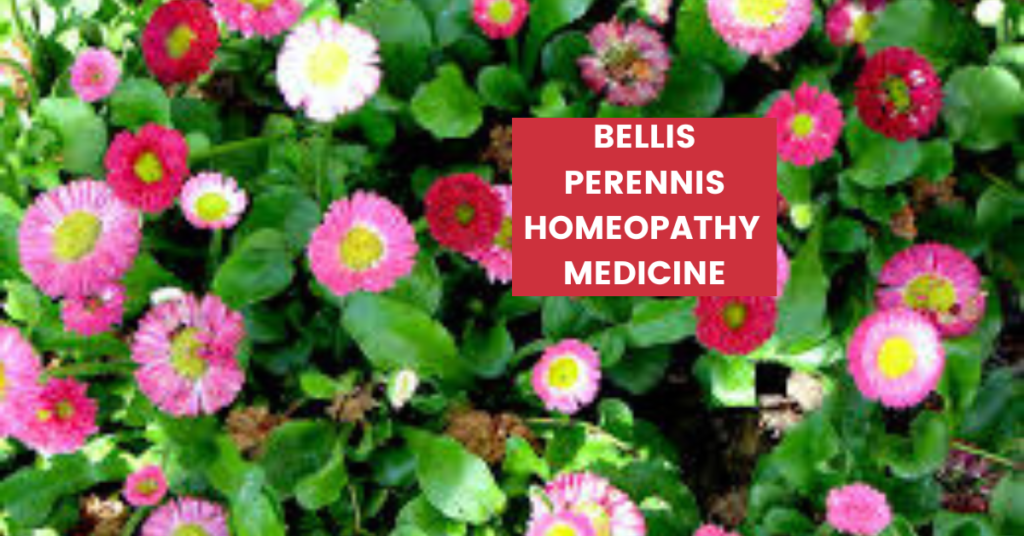
The flowers of Bellis Perennis are small, typically white with a yellow center, and occasionally tinged with pink or red. They bloom almost year-round, hence the name “perennis,” meaning perennial. The flowers are the primary part of the plant used in preparing homeopathic remedies.
Bellis Perennis Plant
The Bellis Perennis plant is a low-growing perennial herb native to Europe but widely naturalized in North America and other temperate regions. It prefers well-drained soil and can often be found in meadows, lawns, and gardens. The plant features a rosette of spoon-shaped leaves at its base, with a flower stalk that can reach up to 10 cm high.
Bellis Perennis and Endometriosis
Bellis Perennis is sometimes used in homeopathy to manage symptoms associated with endometriosis. It can help alleviate pain and discomfort in the pelvic region, particularly when there is a sensation of soreness and deep-seated pain. However, it should be used under the guidance of a qualified homeopathic practitioner for this condition.
Bellis Perennis Extract
Bellis Perennis extract is derived from the whole plant, particularly the flowers and leaves. It is used in both homeopathic and herbal medicine for its anti-inflammatory, analgesic, and healing properties. The extract can be used topically for skin conditions or taken internally to manage pain and inflammation.
Bellis Perennis Life Cycle
The life cycle of Bellis Perennis is perennial, meaning it can live for several years. The plant flowers from early spring to late autumn, and in mild climates, it can bloom almost year-round. After flowering, the plant produces seeds that can self-sow, ensuring its continued presence in its environment.
Bellis Perennis White
The typical Bellis Perennis flower is white with a yellow center, though there can be variations with pink or red tinges on the petals. The white variety is the most common and is often used in homeopathic remedies due to its widespread availability and potent medicinal properties.
Antidote of Bellis Perennis
The antidote to Bellis Perennis is typically another homeopathic remedy that counteracts its effects if there is an adverse reaction. Common antidotes include Camphor and Nux Vomica, which are used to neutralize the effects of Bellis Perennis if symptoms worsen or if there is an overreaction to the remedy.
Antidote to Bellis Perennis
In case of overuse or adverse reaction, the antidote to Bellis Perennis is administered to counteract its effects. Remedies like Camphor can neutralize the symptoms. It’s essential to consult a homeopathic practitioner to determine the appropriate antidote and dosage.
Bellis Perennis for Joint Pain, Tremor, and Fever
Bellis Perennis is effective in managing:
- Joint Pain: Provides relief from joint pain, especially when associated with deep bruising or soreness.
- Tremor: May help reduce mild tremors associated with muscular pain or injury.
- Fever: Can be used to manage fever that accompanies deep tissue injuries or musculoskeletal pain.
Bellis Perennis as an Analgesic
Bellis Perennis has notable analgesic properties:
- Pain Relief: It is effective in relieving pain associated with deep tissue injuries, muscle strains, joint pain, and surgical recovery.
- Chronic Pain Management: Used for managing chronic pain conditions, especially where there is deep, persistent pain that does not respond to other treatments.
Remember that homeopathic remedies should be prescribed based on individual symptoms and characteristics. It’s crucial to consult with a qualified homeopath for proper evaluation and personalized treatment. Homeopathy focuses on treating the whole person, so a detailed case study is necessary to select the most appropriate remedy.
Homeopathic medicines should be taken only when prescribed by a homeopathic physician. Self-medication may aggravate the original conditions.

Plank Homeopathy is a Bangalore-based online homeopathic clinic founded in 2018. We connect patients across India with qualified BHMS doctors for personalised consultations, doctor-curated medicine kits, and free treatment plans. Every article on this platform is written and reviewed by registered homeopathic physicians to ensure accurate, trustworthy health information.