Homeopathic Allergy Relief: Symptom &Top 10 Remedies


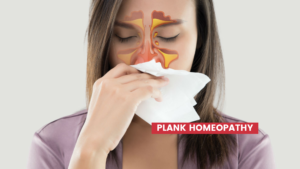
Allergies can make daily life miserable. Sneezing, a blocked or runny nose, itchy eyes, skin rashes, throat irritation, and repeated flare-ups can affect sleep, focus, work, and overall comfort. Many people looking for homeopathic allergy relief want a gentler, more individualized approach that focuses on their symptom pattern instead of only short-term suppression.
Homeopathy is often explored by people dealing with seasonal allergies, allergic rhinitis, dust allergy, pet allergy, skin allergy, or recurrent sensitivity flare-ups. At the same time, it is important to understand one key point: allergies range from mild to severe, and some reactions can become medical emergencies. Seasonal allergic rhinitis commonly causes sneezing, congestion, itchy eyes, and sinus pressure, while severe allergic reactions can involve breathing trouble, swelling, dizziness, or sudden low blood pressure.
In this guide, you will learn what allergies are, common triggers, the most common homeopathic remedy pictures used for allergy relief, supportive home care, prevention steps, and when symptoms need urgent medical attention.
What Is an Allergy?
An allergy happens when the immune system overreacts to something that is usually harmless, such as pollen, dust mites, mold, pet dander, certain foods, insect venom, or medicines. This reaction may affect the nose, eyes, skin, lungs, or digestive system. Common allergic conditions include allergic rhinitis (hay fever), food allergy, skin allergy, and allergy-related asthma symptoms.
Many people confuse allergies with a cold. That is understandable because the symptoms can overlap. But hay fever is not caused by a virus. It is usually triggered by exposure to allergens and often includes itching, sneezing, a runny nose, congestion, and watery eyes.
Can Homeopathy Help With Allergy Relief?
Many patients turn to homeopathy for allergy management, particularly for seasonal allergic rhinitis and recurrent symptom patterns. The homeopathic approach is fundamentally individualized; the selection of a remedy depends on how symptoms manifest in a specific person, rather than on a “one-size-fits-all” disease label.
Current State of Research
While patient use is widespread, the scientific research base remains mixed. For instance, a 2022 clinical trial protocol focused on homeopathy for seasonal allergic rhinitis noted that while homeopathic therapy is a frequent choice for many, there is still a clear need for higher-quality clinical trials to establish a stronger evidence base.
How to choose homeopathic medicine:
Individualized Support: Homeopathy is commonly sought by those looking for personalized allergy support.
Symptom Matching: Remedy selection is based on the “individual symptom picture” (e.g., whether a patient has watery eyes, dry sneezing, or specific triggers).
Emergency Protocol: Severe allergic reactions (such as anaphylaxis) are medical emergencies and should never be managed with home treatment alone.
Professional Evaluation: Persistent, worsening, or chronic symptoms always deserve a thorough evaluation by a qualified healthcare professional.
Common Allergy Triggers
Identifying triggers is one of the most important steps in finding lasting relief. Depending on the person, allergy flare-ups may be linked to:
1. Pollen
Tree, grass, and weed pollen are major seasonal triggers. Ragweed is a well-known fall allergen in many parts of the U.S.
2. Dust Mites
A common indoor trigger that can worsen sneezing, nasal blockage, and morning symptoms.
3. Pet Dander
Cats and dogs can trigger nasal, eye, and skin symptoms in sensitive people.
4. Mold
Indoor dampness and mold exposure may aggravate allergy symptoms, especially in humid environments.
5. Foods
Food allergies can affect the skin, gut, breathing, and circulation. Common trigger foods include peanuts, tree nuts, milk, eggs, sesame, fish, shellfish, soy, and wheat.
6. Insect Stings and Medicines
These are important because they can trigger severe allergic reactions in some people.
Common Allergy Symptoms
Allergy symptoms differ depending on the trigger and body system involved.
Nasal and Sinus Symptoms
- Sneezing
- Runny nose
- Nasal congestion
- Itchy nose
- Post-nasal drip
- Sinus pressure
Eye Symptoms
- Watery eyes
- Itchy eyes
- Redness
- Burning sensation
Skin Symptoms
- Itching
- Hives
- Rashes
- Eczema flare-ups
- Swelling
Respiratory Symptoms
- Cough
- Wheezing
- Throat irritation
- Chest tightness
- Breathing difficulty
Digestive Symptoms
More common in food allergies:
- Nausea
- Vomiting
- Belly pain
- Diarrhea
These symptom patterns are consistent with major allergy references and food allergy overviews.
Homeopathic Allergy Relief: Remedy Pictures Commonly Considered
Important note: Homeopathic remedies should ideally be selected according to the full symptom picture. The descriptions below are general educational summaries, not a substitute for individualized medical care.
1. Allium Cepa
Allium Cepa is one of the best-known homeopathic remedies for allergy symptoms that resemble a streaming cold.
It is often considered when:
- The nose runs constantly
- Nasal discharge is watery and irritating
- Eyes water as well
- Sneezing is frequent
- Symptoms may worsen in warm rooms
This remedy picture is commonly associated with hay fever-type symptoms, especially when the nose is more irritated than the eyes.
2. Sabadilla
Sabadilla is often discussed for allergies with:
- Repeated, spasmodic sneezing
- Intense itching in the nose
- Runny nose
- Sensitivity to pollen or odors
- Itchy throat or palate
This picture may fit people whose main complaint is paroxysms of sneezing.
🌿 Get Expert Homeopathic Care
Consult our experienced homeopathic doctors for personalised treatment
3. Arsenicum Album
Arsenicum Album is commonly considered when:
- There is burning nasal irritation
- The discharge is thin and watery
- Restlessness is present
- Symptoms worsen at night
- There may be weakness or chilliness along with allergy symptoms
This remedy picture may be explored when allergy attacks are exhausting and irritating.
4. Natrum Muriaticum
Natrum Muriaticum is often considered when:
- Sneezing is marked
- The nose alternates between watery discharge and blockage
- Symptoms may be worse in the morning
- There may be headaches with allergies
- Emotional sensitivity or recurrent patterns are also present
This is often mentioned in homeopathic discussions of seasonal allergic rhinitis.
5. Euphrasia
Euphrasia is often discussed when eye symptoms dominate, such as:
- Excessive watering of the eyes
- Burning or smarting in the eyes
- Itchy eyes
- Runny nose with prominent eye irritation
It may be considered when allergy discomfort is felt more in the eyes than the nose.
6. Histaminum
Histaminum is sometimes discussed in homeopathic practice for allergy tendencies involving:
- Sneezing
- Itching
- Seasonal sensitivity
- Histamine-like symptom patterns
Because usage and prescribing approaches vary, this remedy is better evaluated with professional guidance.
7. Urtica Urens
Urtica Urens is more often associated with:
- Itchy skin eruptions
- Hives
- Raised red welts
- Allergic skin irritation
This remedy picture is more relevant when the allergy shows strongly on the skin.
8. Apis Mellifica
Apis Mellifica may be considered when:
- Swelling is prominent
- Skin feels puffy
- Stinging or burning sensations are present
- Symptoms may improve with cool applications
It is commonly discussed in homeopathic circles for urticaria-like swelling patterns.
9. Nux Vomica
Nux Vomica may be explored when:
- Allergies are associated with irritability
- There is nasal blockage, especially at night
- Symptoms are triggered or aggravated by environmental irritants
- Digestive disturbance and sensitivity coexist
10. Pulsatilla
Pulsatilla is often considered when:
- Nasal discharge changes character
- Symptoms vary from day to day
- Congestion feels thick or bland
- Fresh air may help
- Symptoms feel changeable rather than fixed
How Homeopaths Usually Choose a Remedy
A skilled homeopathic assessment usually looks at:
- What triggers the symptoms
- Whether the nose, eyes, skin, or chest is most affected
- Time of day when symptoms are worse
- Type of discharge or rash
- Whether symptoms improve in open air, warmth, rest, or cold applications
- Whether allergies are seasonal, recurrent, or linked to stress, dust, or food
This individualized style is a common theme across homeopathy-focused allergy content.
Best Home Care Measures Along With Allergy Treatment
Even if someone is pursuing homeopathic allergy relief, trigger control, and basic self-care still matter a lot.
Saline Nasal Irrigation
Saline rinsing can help clear allergens and relieve congestion. Mayo Clinic specifically notes nasal irrigation as a quick and effective way to relieve nasal congestion.
Shower After Outdoor Exposure
If pollen is a trigger, showering and changing clothes after coming indoors may help reduce continued exposure.
Keep Windows Closed During High Pollen Days
This can reduce indoor pollen load during allergy season.
Reduce Dust Mite Exposure
Wash bedding regularly, reduce bedroom dust, and keep the sleeping area clean.
Watch Indoor Dampness
Mold-sensitive individuals often benefit from better ventilation and moisture control.
Track Patterns
Keep note of:
- Season
- Weather
- Foods
- Pet exposure
- Dust exposure
- Travel or outdoor time
- Time symptoms worsen
A symptom diary can make trigger detection much easier.
Lifestyle Tips for Better Allergy Relief
Support Your Nasal Environment
Hydration and saline support may help mucus stay easier to clear.
Avoid Overuse of Decongestant Sprays
Some nasal sprays can worsen symptoms if used for too long. Mayo Clinic notes that overuse of decongestant nasal sprays or drops for more than a few days can actually make symptoms worse.
Know Whether It Is an Allergy or Something Else
Not every runny nose is an allergy. Viral infections, sinus issues, irritants, and nonallergic rhinitis can mimic allergy symptoms.
Seasonal Allergy Relief vs Food Allergy Relief
This distinction matters.
Seasonal Allergy / Allergic Rhinitis
Usually includes:
- Sneezing
- Itchy nose
- Watery eyes
- Congestion
- Pollen or dust-related flares
Food Allergy
May include:
- Mouth itching
- Hives
- Swelling
- Vomiting
- Belly pain
- Wheezing
- Dizziness
- Anaphylaxis in severe cases
Food allergy can become dangerous quickly, and symptoms can involve multiple organ systems.
When to Seek Urgent Medical Care
This is the most important safety section in any allergy article.
Seek emergency help right away if there is:
- Trouble breathing
- Wheezing or chest tightness after allergen exposure
- Swelling of the tongue or throat
- Fainting, dizziness, or confusion
- Sudden widespread hives with breathing symptoms
- Rapid progression of symptoms involving more than one body system
Major allergy authorities describe anaphylaxis as a severe, potentially life-threatening allergic reaction that can affect multiple body systems at once. Epinephrine is considered the first-line treatment for anaphylaxis, and emergency services should be contacted immediately.
Home remedies and homeopathy are not substitutes for emergency treatment in suspected anaphylaxis.
When to Consider Professional Evaluation
You should consider a medical evaluation if:
- Allergy symptoms are frequent or severe
- Sleep is affected
- Breathing symptoms are present
- Symptoms are not improving
- A child is having repeated allergy flares
- You suspect a food allergy
- You are not sure whether it is an allergy, sinus disease, infection, or asthma
Can Allergy Relief Be Long-Term?
For many people, long-term improvement starts with three things:
- Identifying triggers
- Reducing exposure
- Choosing the right treatment plan for the specific symptom pattern
Some people use conventional options such as antihistamines, nasal sprays, or immunotherapy, while others look for complementary approaches, including homeopathy. Mainstream references also emphasize lifestyle changes and trigger control as part of symptom management.
Final Thoughts on Homeopathic Allergy Relief
Homeopathic allergy relief is a topic that attracts people who want a more personalized, gentle, and whole-person approach to recurring allergy symptoms. For mild seasonal or recurrent symptom patterns, many patients explore homeopathic remedies based on whether the main complaint is sneezing, watery nasal discharge, itchy eyes, hives, swelling, or variable congestion.
The most effective long-term strategy is not just choosing a remedy name. It is understanding the full picture:
- What triggers your symptoms
- Which organ system is most affected
- How often the allergies return
- Whether symptoms are mild, disruptive, or potentially dangerous
For mild and recurring patterns, individualized care may help guide a more tailored approach. But for severe symptoms, breathing problems, throat swelling, or suspected food-related reactions, urgent medical care must come first.
FAQ: Homeopathic Allergy Relief
What is the best homeopathic medicine for allergies?
There is no single best remedy for everyone. In homeopathy, remedies are generally chosen based on the person’s exact symptom pattern, such as sneezing, watery discharge, itchy eyes, hives, or swelling.
Can homeopathy help with seasonal allergies?
Many people use homeopathy for seasonal allergic rhinitis, especially for recurrent sneezing, watery nose, itchy eyes, and pollen sensitivity. Research interest exists, but stronger high-quality evidence is still needed.
Which homeopathic remedy is often used for sneezing and allergies?
Sabadilla, Allium Cepa, and Natrum Muriaticum are often discussed when sneezing is prominent, but remedy choice depends on the overall symptom picture.
What homeopathic remedy is commonly considered for allergy-related watery eyes?
Euphrasia is often discussed when eye irritation and watering are especially strong.
Can homeopathy treat skin allergies?
Some homeopathic remedies are commonly discussed for hives, itching, and allergic skin irritation, including Urtica Urens and Apis Mellifica, depending on the appearance and sensations.
Can food allergy be treated at home?
Mild symptoms should still be taken seriously, and severe symptoms need emergency care. Food allergies can cause anaphylaxis, which is a medical emergency.
When should I worry about an allergic reaction?
Worry immediately if there is trouble breathing, throat swelling, dizziness, fainting, or fast progression involving skin, breathing, or circulation symptoms.
▶ Watch Related Video
- Banerjee K, Mathie RT, Costelloe C, Howick J. Homeopathy for Allergic Rhinitis: A Systematic Review. Journal of Alternative and Complementary Medicine. 2017. (PubMed)
- MedlinePlus. Allergic rhinitis. (MedlinePlus)
- Mayo Clinic. Hay fever - Symptoms and causes. (Mayo Clinic)
- NHS. Allergic rhinitis. (Nhs)
- Cleveland Clinic. Allergic Rhinitis (Hay Fever): Symptoms & Treatment. (Clevelandclinic)